Lakepointe Church · Rockwall, TX
Preached Sunday, Jun 7, 2026James 1:19-20
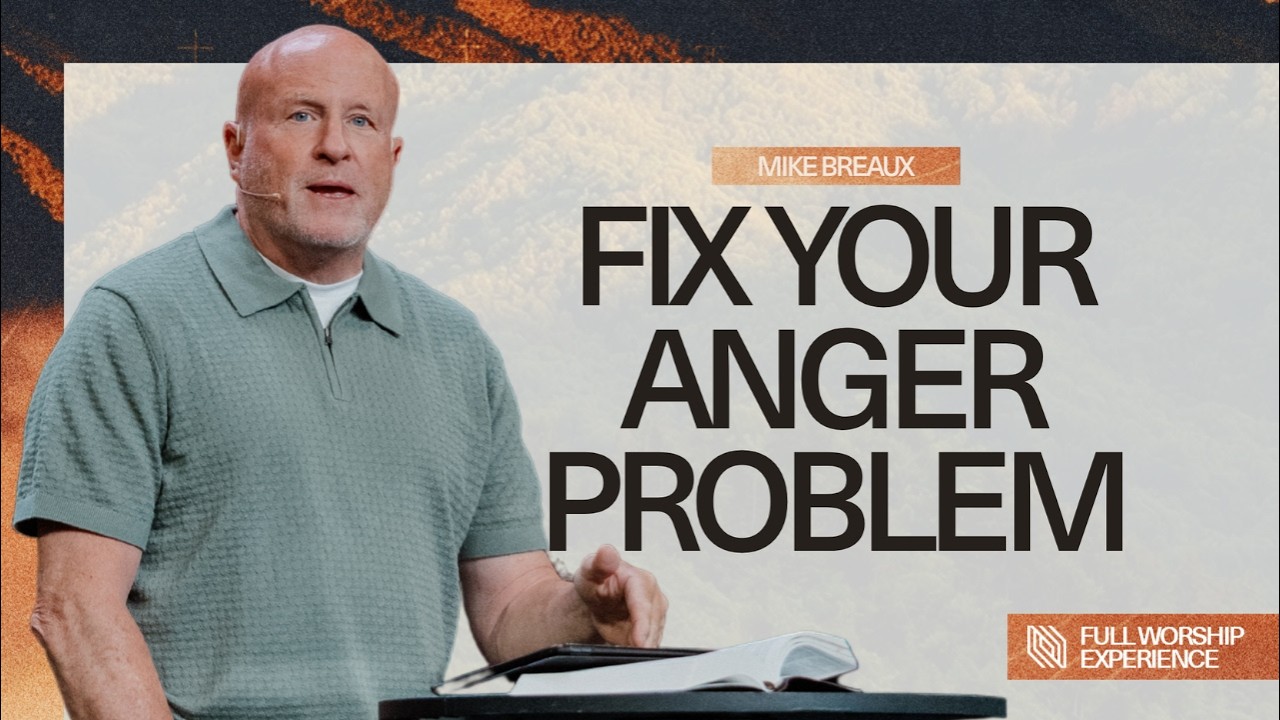
In this message, pastor Bro opens a new series called 'In Fuego' by examining how mismanaged anger damages families, friendships, and communities. Drawing from Jesus's Sermon on the Mount and the letter of James, he explores four common anger styles, stuffing, venting, prosecuting, and passive aggression, and shows how anger is often a second emotion masking deeper feelings like loneliness or grief. He closes with a practical call to reflect before reacting, inviting listeners to let God search their hearts and move toward the righteous life Scripture describes.
Everything below came from one YouTube link.
Generated automatically the morning after this sermon was preached. Read every open card free. The locked ones get built when it’s your sermon.
8 pieces open to read · 18 more unlock with your own sermon
“Here's something that might surprise you: psychologists often call anger the "second emotion." Something else comes first, loneliness, disappointment, fear, feeling unseen or unvalued, and when we don't know what to do with that first, painful feeling, we leap to anger.”
“Pastor Mike introduced the idea that anger is often the "second emotion", meaning something else (hurt, fear, loneliness, disappointment) comes first, and we jump to anger because it feels easier or more powerful.”
“Supporting Texts: Ephesians 4:26-32; Proverbs 15:1; Psalm 139:19-24 Big Idea: Human anger, left unexamined, becomes a hiding place for deeper wounds, and Jesus calls us to the harder, holier work of looking beneath the surface.”
“The letter of James is a wisdom epistle, closely resembling Jewish wisdom literature (especially Proverbs and Sirach) and likely among the earliest New Testament writings, possibly predating Paul's letters.”
“Psychologists often call anger "the second emotion." We don't know what to do with the first one, the loneliness, the disappointment, the feeling of being devalued or ignored, so we jump straight to anger because it's easier to express rage than to sit with hurt.”
“We live in the age of rage. That's not an exaggeration, it's a diagnosis. Road rage, online outrage, family feuds, fractured friendships. Anger is everywhere, and most of us are more familiar with it than we'd like to admit.”
No, anger itself is not sinful. The sermon teaches that anger is hardwired into us by God, who also experiences righteous anger. The problem is unmanaged anger. James 1:19 warns us to be slow to anger because human anger does not produce the righteousness God desires.
How do I stop letting anger control me and hurt my relationships?
The sermon teaches to 'reflect before you react.' Anger is often a second emotion masking hurt, loneliness, or disappointment. Pause, pray Psalm 139's 'search me, O God,' identify the root feeling, and have honest conversations instead of explosive reactions that damage marriages, friendships, and families.
What happens when I bottle up my anger instead of dealing with it?
Stuffed anger becomes toxic and always leaks. Ephesians 4 warns not to let the sun go down on anger, because unresolved anger gives the devil a 'foothold', a base of operation. It poisons your thoughts, body, relationships, and soul, turning you into a bitter, joyless person.
Submit your manuscript or notes and get 17 more pieces: kids, pre-teen, and teen ministry lessons synced to your sermon, a fill-in-the-blank sermon notes worksheet, a teaser email that fills seats, speaker notes, and more.